How Crypto Impacts Global Remittances and Beyond
How Crypto Impacts Global Remittances is an essential topic in today’s increasingly digital economy. As more people around the world rely on remittances to support their families and businesses, the rise of cryptocurrencies is reshaping traditional methods of transferring money across borders. With the potential to lower costs and increase transaction speeds, cryptocurrencies promise a new era for remittance services, especially for those in underserved communities.
In this discussion, we will explore the significance of global remittances, the foundational elements of cryptocurrency, and how these two worlds collide. We will also delve into the advantages of using crypto for remittance, the security features of blockchain technology, and the regulatory challenges that come with this innovative approach. Ultimately, we aim to provide insights into the socioeconomic impacts and future trends surrounding crypto remittances.
Overview of Global Remittances

Source: code-care.com
Global remittances play a crucial role in the economic landscape, serving as a lifeline for families and communities around the world. These financial transfers, often from migrant workers to their home countries, can significantly contribute to local economies, improve living standards, and alleviate poverty. The growing reliance on remittances underscores their importance as a source of income and financial stability for many households.
In recent years, the volume of remittances sent worldwide has reached staggering heights. According to the World Bank, global remittances were estimated to surpass $700 billion annually. This figure illustrates the growing trend of migration and the increasing interconnectedness of the world economy. Furthermore, remittance flows are vital for many developing countries, where they often account for a substantial part of the gross domestic product (GDP).
Primary Regions and Countries Involved in Remittance Flows
Understanding the regions and countries that engage in significant remittance flows is essential for grasping the global remittance landscape. Some areas are particularly dominant in both sending and receiving remittances due to factors such as economic opportunities and migration patterns. The following points highlight key regions and countries involved in these financial transfers:
- Asia: Countries like India, China, and the Philippines lead the world in remittance receipts. For instance, India alone received over $80 billion in remittances in 2020.
- Africa: In nations such as Nigeria and Ghana, remittances constitute a major source of income, significantly impacting household welfare and driving economic growth.
- Latin America: Mexico is one of the largest recipients of remittances globally, with transfers primarily coming from the United States, which has a large Mexican diaspora.
- Europe: Countries like Poland and Romania also receive substantial remittances, primarily from their citizens working in Western Europe.
The importance of these remittance flows cannot be overstated, as they not only support families but also contribute to broader economic development. As per the International Fund for Agricultural Development (IFAD), remittances can be more stable than other financial inflows, such as foreign direct investment, especially during economic downturns. This stability is critical for maintaining livelihoods and fostering local economies.
“Remittances are a vital financial resource for many households, providing essential support for education, health care, and economic opportunities.”
In summary, the global remittance landscape is marked by significant financial flows that are essential to the economies of many nations, particularly those in the developing world. The interplay of migration and economic opportunity continues to shape these financial transfers, highlighting their pivotal role in global economic dynamics.
Introduction to Cryptocurrency
Cryptocurrency has emerged as a revolutionary form of digital currency that operates independently of traditional banking systems. It utilizes advanced cryptography for secure financial transactions, offering a decentralized and transparent alternative to conventional currencies. This introduction sets the stage for understanding how cryptocurrencies can significantly impact global remittances, particularly by providing a faster and more cost-effective solution for cross-border transactions.
The key features of cryptocurrency include decentralization, security, transparency, and limited supply. Decentralization allows users to transact directly without intermediaries, while security is ensured through cryptographic methods. Transparency is achieved via public ledgers, allowing anyone to verify transactions. Finally, many cryptocurrencies have a capped supply, creating scarcity that can influence value over time.
Popular Cryptocurrencies Used for Transactions
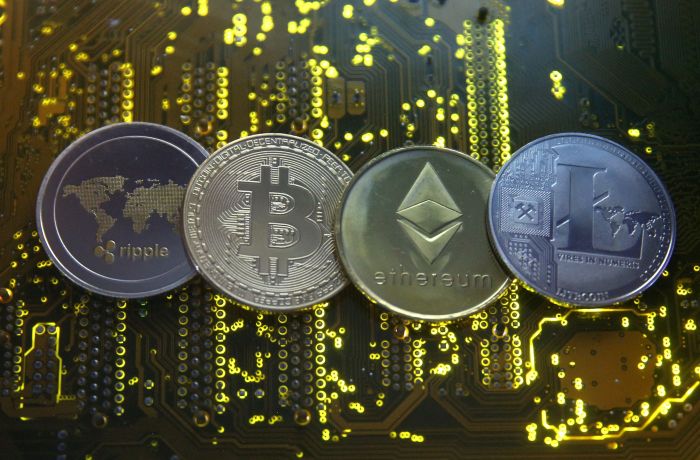
Numerous cryptocurrencies are widely used for transactions, each with its unique attributes and purposes. Understanding these currencies helps to grasp their role in global remittances. Here are some notable examples:
- Bitcoin (BTC): The first and most recognized cryptocurrency, Bitcoin is often referred to as digital gold. It is primarily used as a store of value and for peer-to-peer transactions.
- Ethereum (ETH): Known for its smart contract functionality, Ethereum allows developers to create decentralized applications (dApps) on its platform. Its use in remittances is growing due to lower transaction fees and faster processing times.
- Ripple (XRP): Specifically designed for financial institutions, Ripple focuses on facilitating cross-border payments with minimal fees and quick settlement times, making it a favorite for remittances.
- Litecoin (LTC): Often referred to as the silver to Bitcoin’s gold, Litecoin offers faster transaction confirmation times and a more efficient mining process, making it suitable for everyday transactions.
- Stellar (XLM): Focused on improving cross-border transactions, Stellar aims to connect banks and payment systems to reduce costs and increase efficiency in remittances.
Blockchain Technology Behind Cryptocurrencies
Blockchain technology serves as the backbone of cryptocurrencies, providing a secure, decentralized platform for recording transactions. At its core, a blockchain is a distributed ledger that records all transactions across a network of computers. Each block contains a batch of transactions, and once filled, it is added to the chain in chronological order, creating an immutable record.
This technology offers several advantages that enhance the efficiency of global remittances:
- Security: Blockchain’s cryptographic nature makes it highly secure against fraud and hacking attempts.
- Transparency: Every transaction is recorded on a public ledger, allowing for verification by anyone and increasing trust among users.
- Reduced Costs: By eliminating intermediaries like banks, blockchain transactions can significantly lower fees associated with remittances.
- Speed: Transactions can be processed in real-time, drastically reducing the time it takes for money to be sent and received across borders.
- Accessibility: Blockchain technology enables users in underbanked regions to participate in the global economy, as many cryptocurrencies can be accessed via smartphones and the internet.
“Blockchain technology is poised to disrupt traditional financial systems by providing a secure and efficient foundation for digital transactions.”
The Role of Cryptocurrency in Remittances
Cryptocurrency is rapidly emerging as a transformative tool in the realm of global remittances. With its decentralized nature and ability to facilitate fast, secure transactions, it offers an alternative to traditional money transfer services. This section delves into how cryptocurrencies are utilized for remittance transfers and highlights the advantages they bring compared to conventional methods.Cryptocurrencies such as Bitcoin, Ethereum, and stablecoins are increasingly being adopted for remittance purposes.
The process typically involves sending digital currency from one individual to another, often across borders, without the need for intermediaries such as banks or money transfer operators. This enables users to bypass traditional financial systems, which can be cumbersome and expensive.
Comparison of Traditional Remittance Methods and Cryptocurrency Solutions
Traditional remittance services such as Western Union and MoneyGram often come with high fees and unfavorable exchange rates that can significantly reduce the amount received by the recipient. A comparative analysis reveals the following key differences:
- Transaction Fees: Traditional services can charge fees of 5% to 10% or more, whereas cryptocurrency transactions can have relatively low fees, sometimes as little as 1% or less.
- Transfer Speed: Traditional transfers can take several days to process, especially for cross-border transactions, while cryptocurrency transfers can be completed within minutes, depending on network congestion.
- Accessibility: Cryptocurrencies can be sent and received via mobile apps or wallets, making them accessible to anyone with internet access, even in regions where banking services are limited.
The advantages of using cryptocurrency for cross-border transactions are significant and have the potential to revolutionize the remittance industry.
Advantages of Using Cryptocurrency for Cross-Border Transactions
Utilizing cryptocurrencies for remittances brings several notable benefits that can change the way individuals send and receive money internationally. These advantages include:
- Lower Costs: The decentralized nature of cryptocurrencies often means lower fees compared to traditional transfer methods. This can result in more money available to recipients, which is especially important for families relying on remittances.
- Increased Speed: Transactions executed on blockchain networks can be processed almost instantaneously, allowing for quicker access to funds. This speed is crucial for individuals in urgent need of money.
- Greater Transparency: Blockchain technology provides a transparent ledger of transactions, which can help mitigate issues such as fraud and provide users with a clear view of their transaction history.
- Financial Inclusion: Cryptocurrency can empower unbanked populations to participate in the global economy. With only a smartphone and internet connection, individuals can send and receive money without needing a bank account.
“The advent of cryptocurrency in remittances signifies a leap towards more inclusive and efficient financial systems.”
As cryptocurrencies continue to gain traction, their role in remittances is expected to expand, unlocking new possibilities for individuals and families around the world.
Cost Efficiency and Speed of Transactions
The landscape of global remittances has undergone a significant transformation with the advent of cryptocurrency. Traditional remittance methods often involve high fees and slow delivery times, creating challenges for senders and recipients alike. By examining the cost efficiency and speed of transactions offered by cryptocurrencies, we can better understand their impact on the remittance market.The fees associated with traditional remittance services can vary widely, with many providers charging a percentage of the transaction amount along with a flat fee.
For instance, services like Western Union and MoneyGram can impose fees ranging from 5% to 10% of the amount sent, depending on the destination and payment method. In contrast, cryptocurrency transactions typically involve minimal fees, often under 1%, and can be significantly lower, especially for larger sums. This stark difference makes cryptocurrencies a more appealing option for those looking to maximize the amount received by the beneficiary.
Comparative Analysis of Fees
Understanding the cost structure of traditional remittance services compared to cryptocurrencies provides clear insights into their financial implications. Here’s a breakdown of typical fees and transaction costs:
- Traditional Remittance Services:
- Average fees range from 5% to 10% of the transaction value.
- Flat fees can be as high as $10 to $50, depending on the service and destination.
- Hidden fees may apply, such as unfavorable exchange rates.
- Crytocurrency Transactions:
- Transaction fees generally range between $0.01 to $1, depending on network congestion.
- No hidden fees; the total cost is transparent and known upfront.
- Exchange rates are often more favorable, further reducing costs.
Speed is another critical aspect of cryptocurrency transactions. Traditional remittance services can take anywhere from a few hours to several days to complete a transfer, particularly if they involve multiple intermediaries or cross-border regulations. In contrast, cryptocurrency transactions can be processed in as little as 10 minutes, depending on network conditions and the specific cryptocurrency used. This immediacy can be vital for recipients who need funds urgently.
Case Studies on Time and Cost Savings
Real-world examples illustrate the advantages that cryptocurrencies bring to remittances. Consider the following cases:
- Case Study 1: A migrant worker in the United States sends $1,000 to family in Mexico using Western Union, incurring a $50 fee and a delay of 2 days. In contrast, sending the same amount in Bitcoin resulted in a fee of $2 and the funds were available to the recipient within 15 minutes.
- Case Study 2: A family in the Philippines receives remittances from their relative in Canada through a traditional service, facing a 7% fee and a processing time of 3 days. By switching to a crypto service, they experienced a fee reduction to under 1% and received the funds within 30 minutes, demonstrating significant savings both financially and in delivery time.
The efficient, cost-effective nature of cryptocurrency transactions underscores its potential to revolutionize the remittance industry. As awareness and accessibility increase, more individuals may turn to digital currencies as a preferred method for sending money across borders.
Security and Transparency in Transactions

Source: britannica.com
Cryptocurrency offers a new paradigm for enhancing the security and transparency of global remittance transactions. Within the realm of financial transfers, the need for robust security measures and transparent processes is paramount. This section delves into the features that define cryptocurrency transactions, the significance of blockchain technology in ensuring transparency, and the potential vulnerabilities that may arise when using cryptocurrencies for remittances.
Security Features of Cryptocurrency Transactions
Cryptocurrency transactions are secured through various advanced cryptographic techniques, which play a crucial role in maintaining the integrity of the financial system. Each transaction is encrypted and requires the approval of the sender and receiver through digital signatures. This process not only verifies the identity of the parties involved but also ensures that the transaction cannot be altered once it has been confirmed on the blockchain.In addition to encryption, the decentralized nature of cryptocurrencies provides an added layer of security.
Since transactions are recorded on a public ledger shared across multiple nodes, there is no single point of failure. This distribution of data makes it exceedingly difficult for malicious actors to manipulate transaction records. Moreover, the use of private keys enhances security, as only the holder of the private key can initiate a transaction from their wallet.
“The decentralized structure of blockchain technology enhances security by eliminating central control points, thus reducing the risk of fraud and hacking.”
Transparency and Fraud Reduction Through Blockchain Technology, How Crypto Impacts Global Remittances
Blockchain technology serves as the backbone of cryptocurrency, ensuring that all transactions are transparent and easily verifiable. Every transaction is recorded on a public ledger, which is accessible to anyone. This transparency not only fosters trust among users but also significantly reduces the risk of fraud.For remittances, the implications are profound. The blockchain allows for real-time tracking of transactions, meaning that both senders and recipients can monitor their funds as they move through the network.
This level of visibility can deter fraudulent activities, as any attempt to alter transaction details can be easily detected by the network.Furthermore, the immutability of blockchain records means that once a transaction is confirmed, it cannot be changed or erased. This reduces the chances of double spending, a common risk in digital transactions. Users can confirm the authenticity of transactions through their unique identifiers, contributing to a more reliable remittance process.
Potential Vulnerabilities and Risks in Cryptocurrency Remittances
While cryptocurrencies provide enhanced security and transparency, there are still potential vulnerabilities and risks associated with their use in remittances. One of the primary concerns is the security of private keys. If a user loses their private key or it falls into the hands of a malicious actor, they could lose access to their funds permanently.Additionally, the rapid evolution of technology means that new vulnerabilities can emerge.
For instance, smart contracts, which are self-executing contracts with the terms of the agreement directly written into code, can contain bugs or vulnerabilities that could be exploited. Moreover, the regulatory landscape surrounding cryptocurrencies is still developing. Users may face risks related to compliance, as regulations vary significantly across different jurisdictions. This variability can lead to uncertainties regarding transaction legitimacy and taxation, which may discourage some users from fully engaging with cryptocurrency remittances.In summary, while cryptocurrencies offer significant advantages in terms of security and transparency for global remittances, it is crucial for users to remain vigilant and informed about the potential risks involved.
Regulatory Challenges and Legal Frameworks
The regulatory landscape for cryptocurrencies is a complex and evolving environment that significantly impacts their use in the global remittance sector. As countries grapple with the implications of digital currencies, the policies they adopt can either facilitate or hinder the growth of cryptocurrency as a viable option for cross-border money transfers. Understanding this landscape is crucial for users and service providers in the remittance market.The implications of regulations on cryptocurrency use for remittances are profound.
On one hand, supportive regulations can foster innovation and increase accessibility, making it easier for individuals to utilize cryptocurrencies for sending and receiving money across borders. On the other hand, restrictive policies can create barriers to entry, limiting the ability and willingness of potential users to adopt these technologies.
Current Regulatory Landscape
The regulatory environment for cryptocurrencies varies significantly across different jurisdictions. Some countries have embraced digital currencies, while others have implemented stringent regulations or outright bans. The following Artikels key points regarding the current state of cryptocurrency regulations:
- Supportive Jurisdictions: Countries like El Salvador have adopted Bitcoin as legal tender, encouraging its use for remittances and facilitating transactions without traditional banking infrastructures.
- Restrictive Jurisdictions: Countries such as China have imposed strict regulations, banning cryptocurrency trading and initial coin offerings (ICOs), which restricts the use of crypto for remittances.
- Middle Ground Jurisdictions: Nations like the United States have implemented a mixed approach, where cryptocurrencies are legal but subject to regulatory oversight by agencies such as the SEC and FinCEN, which can complicate remittance services.
The differences in regulatory frameworks not only affect the adoption of cryptocurrency for remittances but also the security and reliability of such services. For instance, in countries with clear regulations, businesses can operate with a degree of assurance, thereby creating a safer environment for users.
The regulatory framework surrounding cryptocurrencies will determine how effectively these digital assets can be integrated into the remittance ecosystem.
In summary, as the global landscape continues to evolve, the legal frameworks governing cryptocurrencies will play a critical role in shaping the future of remittances, influencing both their cost and accessibility. The interplay between regulation and technology will ultimately dictate the speed and extent of cryptocurrency integration into everyday financial transactions, particularly in the remittance space.
Socioeconomic Impact of Crypto Remittances: How Crypto Impacts Global Remittances
The rise of cryptocurrency as a medium for remittances is reshaping the financial landscape, particularly for the unbanked and underserved populations around the globe. This innovative approach not only facilitates the transfer of funds across borders but also extends economic empowerment to communities that have traditionally faced barriers to financial services. In many developing countries, significant portions of the population remain unbanked, lacking access to traditional banking systems.
Cryptocurrency remittances have the potential to change this landscape by providing a more accessible and cost-effective means of sending and receiving money. By utilizing mobile phones and internet access, individuals can engage in financial transactions without the need for a bank account, effectively bridging the gap in financial inclusion.
Empowerment of Unbanked Populations
The ability of cryptocurrency to provide financial services to the unbanked is a crucial factor in its socioeconomic impact. By allowing individuals to transact directly without intermediaries, cryptocurrencies empower those who have historically been excluded from the financial system.
Direct Access to Financial Services
Cryptocurrency allows users to send and receive money directly through their wallets, eliminating the need for traditional banking infrastructure. This increases autonomy over personal finances.
Lower Transaction Costs
Traditional remittance services often charge high fees, particularly for small transfers. Cryptocurrency can significantly reduce these costs, allowing more of the remitted funds to reach the intended recipients.
Increased Financial Literacy
As more individuals engage with cryptocurrencies, there is a natural increase in financial literacy within communities. This knowledge can lead to better financial decisions and engagement with other economic opportunities.
Impact on Household Economies
The reduction in remittance costs through cryptocurrency can lead to significant changes in household economies. Families receiving remittances can allocate funds more effectively and improve their overall quality of life.
Enhanced Disposable Income
Lower fees mean that families can retain more funds, which can be spent on education, health care, or small business investments. For example, a family receiving $1,000 in remittances could see a difference of up to $100 or more in fees, which can be redirected towards essential needs.
Increased Financial Security
With reduced transaction costs and faster access to funds, households can better plan for emergencies and unexpected expenses. The immediacy of cryptocurrency transactions can provide peace of mind during financial uncertainty.
Support for Local Economies
Increased spending power can foster local businesses and stimulate economic growth. When families have more disposable income from remittances, they are likely to invest in local goods and services, supporting their community’s economy.
Broader Societal Implications
The growth of cryptocurrencies in the remittance market carries broader societal implications that extend beyond individual households.
Promoting Economic Equality
Greater accessibility to financial tools through cryptocurrency can help reduce income inequality. As unbanked populations gain financial access, wealth distribution may become more equitable.
Encouraging Innovation
The introduction of cryptocurrencies spurs innovation in financial technology, leading to the development of new services that can further enhance the economic participation of marginalized communities.
Global Financial Integration
Cryptocurrency can foster greater connections between economies, enabling more fluid cross-border transactions. This integration allows for a more interconnected global economy, which can benefit nations that rely heavily on remittances for economic stability.
“Cryptocurrency represents a new frontier for financial inclusion, especially for those who have been historically left behind in the financial system.”
Future Trends and Innovations

Source: asktraders.com
As the world increasingly embraces digital solutions, the landscape of global remittances is poised for significant transformation through cryptocurrency. The convergence of advanced technologies and evolving user needs is paving the way for enhanced efficiency and accessibility in cross-border transactions. Innovations in blockchain technology, payment platforms, and regulatory frameworks are expected to revolutionize the way people send and receive money across borders.Emerging technologies that may further enhance cryptocurrency remittances include advancements in blockchain scalability, smart contracts, and decentralized finance (DeFi) solutions.
These technologies are not only streamlining the remittance process but also reducing costs and increasing transaction speeds. The potential for mobile wallets and integration with existing banking systems can further democratize access to cryptocurrency remittances, making them viable options for millions who currently rely on traditional methods.
Predictions for the Future Landscape
The future of global remittances influenced by cryptocurrencies is likely to be characterized by the following trends:
- Increased Adoption of Stablecoins: As volatility remains a concern in cryptocurrency transactions, stablecoins tied to fiat currencies may become more prevalent. They can provide a reliable means for remittances without the fluctuation risks associated with traditional cryptocurrencies.
- Integration with Traditional Financial Systems: The collaboration between cryptocurrency platforms and established banks is expected to grow, allowing for more seamless integration of crypto into everyday banking services, enhancing user experience.
- Regulatory Clarity: As governments and regulatory bodies develop clearer frameworks around cryptocurrencies, the uncertainty that currently hampers broader adoption is likely to diminish, encouraging more users to embrace crypto remittances.
- Decentralized Applications (DApps): The rise of DApps focused on remittance services can provide greater access to users, streamlining the process and minimizing costs while enhancing security and privacy.
- Blockchain Interoperability: Improved interoperability between different blockchain networks can lead to more efficient cross-chain transactions, further facilitating global remittance processes.
The innovations propelled by these predictions may also emerge from various startups and projects that are actively working in the crypto remittance space. These companies are not only enhancing existing services but also creating new solutions that address the unique challenges faced in the industry.
Innovative Startups and Projects
Several startups are leading the charge in the cryptocurrency remittance space, each bringing unique solutions to the market. Here are some notable examples:
- Remitly: Leveraging blockchain technology, Remitly is focused on making international money transfers faster and cheaper, with plans to integrate cryptocurrency options for remittances.
- BitPesa (now known as AZA Finance): This company provides a platform for businesses and individuals to transfer money using cryptocurrencies, significantly reducing the cost of remittances from Africa.
- TransferWise (now Wise): Although they primarily focus on traditional fiat currency transfers, Wise is exploring blockchain integration to make their services even more efficient.
- Xend: This platform focuses on providing cryptocurrency-based remittance services specifically for the unbanked population in developing countries, utilizing local currency exchanges for seamless transactions.
- Coinbase Commerce: This service allows businesses to accept cryptocurrency payments, paving the way for easier integration of crypto into remittance services, thus broadening access to global markets.
The combination of these innovations and the ongoing trends indicates a robust future for cryptocurrency remittances, making them a vital part of the global financial ecosystem.
Final Conclusion
In summary, the intersection of cryptocurrency and global remittances presents a transformative opportunity for individuals and economies alike. As we have explored, the potential reductions in costs, improvements in transaction speeds, and enhanced security features could redefine how we approach sending money across borders. With ongoing innovations and evolving regulations, the future looks promising for crypto remittances, making it a space worth watching closely.
Essential Questionnaire
What are the main benefits of using cryptocurrency for remittances?
The main benefits include lower transaction fees, faster transfer times, and increased accessibility for unbanked populations.
How does cryptocurrency ensure the security of transactions?
Cryptocurrency uses blockchain technology, which provides a decentralized and transparent ledger that enhances security and reduces fraud risks.
Are there any risks associated with using cryptocurrency for remittances?
Yes, potential risks include price volatility, regulatory uncertainty, and the possibility of cyber attacks.
How do regulatory frameworks impact crypto remittances?
Regulatory frameworks can either support or hinder the use of cryptocurrencies in remittances, affecting the overall adoption and innovation in this space.
What future trends can we expect in crypto remittances?
We can expect advancements in technology, increased mainstream adoption, and new startups innovating in the remittance sector.