How to Track Whale Movements in the Crypto Market Effectively
How to Track Whale Movements in the Crypto Market is an essential topic for anyone looking to navigate the unpredictable waters of cryptocurrency trading. Whales, or individuals and entities with substantial holdings, have the power to influence market prices dramatically. Understanding their movements can provide investors with critical insights into market trends and potential price shifts, making it vital to stay informed and aware of their activities.
By utilizing various tools and platforms designed for tracking whale transactions, investors can gain a clearer understanding of market dynamics. Analyzing whale activity and developing strategies based on their movements can help in making informed trading decisions, potentially leading to greater success in the fast-paced world of cryptocurrency.
Understanding Whale Movements
In the cryptocurrency market, the term “whales” refers to individuals or entities that hold large quantities of cryptocurrency. These wallets can significantly influence market dynamics due to the vast amounts of capital they control. Understanding whale movements is crucial for investors who wish to navigate the often volatile waters of crypto trading effectively.Whales can be institutional investors, hedge funds, or even wealthy individuals who possess the financial power to move markets with their transactions.
Tracking their movements can provide insights into potential price trends and shifts in market sentiment. For instance, a sudden increase in whale activity might indicate upcoming price volatility, as these large holders could sell off their assets or accumulate more, influencing supply and demand.
Significance of Tracking Whale Movements
Monitoring whale transactions offers several advantages to investors looking to make informed trading decisions. By keeping an eye on these movements, traders can identify patterns, draw conclusions about market sentiment, and adjust their strategies accordingly. Some key reasons to track whale movements include:
- Market Sentiment Analysis: Whale transactions can help gauge overall market sentiment. A large buy may signal bullish trends, while significant sell-offs might indicate bearish outlooks.
- Price Influence: Large transactions can lead to abrupt price changes. For example, a whale selling a substantial amount of Bitcoin can instantly drop its price, creating opportunities or risks for other investors.
- Trend Identification: Observing consistent buying or selling patterns among whales can help identify emerging trends within the market, allowing traders to position themselves advantageously.
“Understanding whale movements is akin to reading the pulse of the crypto market; it can reveal underlying trends and potential shifts in direction.”
Impact of Whale Transactions on Market Prices
Whale transactions play a significant role in defining market prices for various cryptocurrencies. The scale of these transactions means that they can cause notable price fluctuations that may not occur with smaller trades. When a whale performs a large transaction, it can lead to:
- Immediate Price Movement: A sudden influx or outflow of cryptocurrency from a whale’s wallet can create sharp price movements, as exchanges adjust to the changes in supply and demand.
- Market Liquidity Changes: Whale actions can affect liquidity levels in the market. Large sales may diminish liquidity, whereas significant buys can enhance it, impacting trading strategies.
- Psychological Effects on Traders: Large trades by whales can instill fear or confidence among retail investors, further exacerbating price changes as they react to perceived market signals.
By understanding the implications of whale movements and transactions, investors can better navigate the complexities of the cryptocurrency market, potentially leading to more informed and strategic trading decisions.
Tools and Platforms for Tracking

Source: alamy.com
To navigate the choppy waters of the crypto market, especially when it comes to identifying whale movements, having the right tools is essential. Various platforms and technologies have emerged that provide insights into whale activity, enabling traders and investors to make informed decisions. This section highlights the most popular tools and platforms that can be utilized to track these significant players in the market.
Popular Platforms for Tracking Whale Movements, How to Track Whale Movements in the Crypto Market
Several platforms have been developed specifically for tracking whale activity in the crypto market. Each of these tools offers unique features that cater to different aspects of whale tracking, helping users gather valuable data.
- Whale Alert: This popular service tracks large transactions across various blockchains, providing real-time alerts for significant movements. Users can customize notifications based on specific thresholds, ensuring they never miss a crucial transaction.
- TokenAnalyst: This analytics platform offers insights into on-chain data, allowing users to visualize large transactions and the wallets involved. It provides charts and reports that highlight trends related to whale activity.
- Glassnode: A robust on-chain analytics tool, Glassnode offers various metrics and insights related to whale movements, including wallet growth and transaction sizes. The platform is known for its comprehensive data dashboards.
Features of Blockchain Explorers Relevant to Whale Activity
Blockchain explorers are vital tools for tracking whale movements, as they provide detailed transaction histories and wallet information. Understanding the features of these explorers can significantly enhance tracking efforts.
- Transaction History: Blockchain explorers allow users to view the complete transaction history of any wallet address, making it easy to identify large transactions associated with whales.
- Wallet Analysis: These explorers often provide tools to analyze wallet balances and transaction frequencies, which can indicate whether a whale is accumulating or distributing assets.
- Token Tracking: Many explorers offer the ability to track specific tokens, showing all transactions involving those tokens, helping to spot whale activity in niche markets.
Analytics Tools Offering Insights into Whale Transactions
A variety of analytics tools are available that dig deeper into whale transactions, providing insights that can inform trading strategies. These tools often combine data from multiple sources for a comprehensive view.
- IntoTheBlock: This platform provides on-chain data analytics, including indicators for whale activity. Users can see how many large holders exist for specific assets and their buying or selling behaviors.
- Santiment: Santiment offers a wealth of data, including social sentiment and on-chain metrics. Their whale transaction tracking feature helps users spot significant market movements before they occur.
- Coin Metrics: Known for its high-quality data, Coin Metrics delivers insights into market trends and whale behavior, including supply distribution and transaction volume analytics.
Understanding whale movements is crucial for anticipating market trends and making informed trading decisions.
Analyzing Whale Activity
Understanding whale activity in the crypto market goes beyond just tracking their movements; it requires a keen analysis of patterns and implications that can affect the broader market. Whales, or individuals and entities holding significant amounts of cryptocurrency, often influence price dynamics and sentiment. In this segment, we’ll delve into methods for recognizing these patterns, interpreting transaction sizes, and the importance of volume analysis to gain insights into whale activity.
Recognizing Patterns in Whale Movements
Identifying patterns in whale movements over time is crucial for anticipating market trends. These patterns often manifest through consistent buying or selling behavior at certain price levels. By observing historical data, traders can pinpoint recurring trends that indicate when whales are likely to enter or exit positions.Key methods for recognizing these patterns include:
- Historical Data Analysis: Analyzing transaction records over various time frames can reveal trends in whale activity, such as consistent buying during market dips.
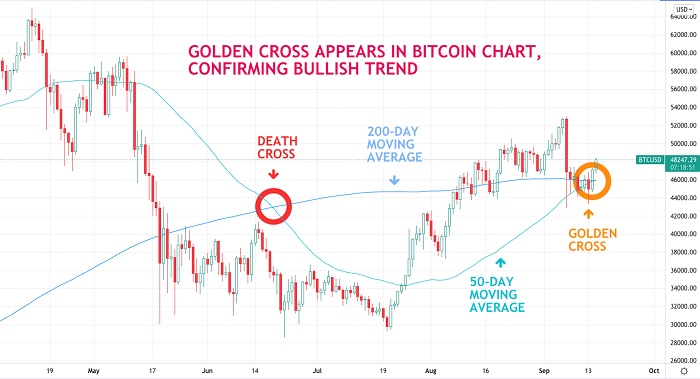
- Using Technical Indicators: Tools like moving averages and RSI can help identify potential whale influence points, indicating when a price shift may occur.
- Transaction Clusters: Noticing clusters of large transactions at specific times can signal planned actions by whales, often preceding significant market movements.
Interpreting Transaction Sizes in Relation to Market Trends
Transaction sizes provide valuable context for understanding market sentiment and potential price movements. Large transactions can signify strong bullish or bearish sentiments, depending on the context in which they occur.Important aspects to consider include:
- Size Relative to Average Transactions: A transaction significantly larger than the average can indicate strong interest from whales, which might affect market volatility.
- Market Conditions: Understanding whether these transactions align with upward or downward market trends can help assess the potential impact on prices.
- Comparison to Historical Trends: If large transactions consistently precede price increases or decreases, this pattern can serve as a predictive tool for future movements.
Importance of Volume Analysis in Tracking Whale Trades
Volume analysis is a powerful tool for tracking whale trades, as it reveals how much cryptocurrency is being bought or sold over a specific period. High trading volumes often correlate with significant market events and can indicate whale participation.Key considerations in volume analysis include:
- Volume Spikes: Sudden increases in volume often indicate whale activity and can precede major price movements. Traders should be alert to these spikes for potential trading opportunities.
- Volume Relative to Price Action: Analyzing volume alongside price movements allows traders to gauge the strength of a trend. For instance, an upward price movement accompanied by increasing volume indicates strong buying interest, often linked to whale activity.
- Volume Patterns Over Time: Recognizing consistent volume patterns can help traders predict future whale activities, allowing them to position themselves advantageously in the market.
“Large transaction sizes and volume spikes are key indicators of potential market shifts, often driven by whale movements that can impact price dynamics significantly.”
Strategies for Investors

Source: alamy.com
Understanding whale movements is crucial for developing effective investment strategies in the crypto market. Whales, or large holders of cryptocurrencies, can significantly influence price movements and market sentiment. By closely monitoring their activities, investors can identify trends and potential trading opportunities that align with whale transactions. Here’s a guide to help you formulate an investment strategy based on these movements.
Developing an Investment Strategy
Investors looking to leverage whale movements should prioritize a strategic approach that incorporates risk management and informed decision-making. Here are the key components to consider when developing your investment strategy:
1. Research and Analysis
Stay updated on market trends and whale activities using tracking tools such as WhaleAlert or CryptoQuant.
Analyze historical data to identify patterns in whale buying and selling behaviors, which can provide insights into future movements.
2. Diversification
Allocate your investments across different cryptocurrencies to mitigate risk. This is essential since whale movements can lead to sudden price fluctuations.
3. Entry and Exit Points
Define clear entry and exit strategies based on whale activity. For instance, if a whale is acquiring a significant amount of a specific coin, it may indicate a bullish trend, giving you a potential entry point.
4. Risk Management
Implement stop-loss orders to limit potential losses. Given the volatility associated with whale movements, this can protect your investment from unexpected downturns.
Examples of Successful Trades Influenced by Whale Transactions
Several instances in the crypto market demonstrate how whale activities have led to profitable trades. For example, during the 2020 Bitcoin bull run, significant accumulation by whales at prices around $10,000 preceded a substantial increase in value, which reached nearly $60,000 in 2021. Traders who aligned their purchases with these movements saw impressive returns.Additionally, in early 2021, a notable surge in Ethereum holdings by a prominent whale led to a swift price increase, allowing investors who acted quickly to capitalize on the momentum.
Observing and interpreting these whale movements can be a game-changer for savvy investors aiming to enhance their trading strategies.
Do’s and Don’ts When Responding to Whale Movements
It is essential to approach whale movements with caution and strategy. The following guidelines highlight what to consider and what to avoid when reacting to these activities: Do’s:
Do Monitor Regularly
Keep track of whale transactions continuously to stay ahead of the market trends.
Do Analyze Market Sentiment
Assess how the broader market reacts to whale movements. This can provide context for their actions.
Do Be Patient
Wait for confirmation of a trend before making significant investments; rash decisions can lead to losses. Don’ts:
Don’t Panic
Avoid making impulsive trades based on short-term whale movements. This can lead to irrational investment choices.
Don’t Follow Blindly
Just because a whale is buying or selling doesn’t guarantee the same outcome for you. Perform your own analysis.
Don’t Neglect Other Indicators
Whale movements should be one part of your investment strategy; always consider fundamentals and technical analysis.By following these strategies, investors can navigate the complexities of the crypto market while capitalizing on the movements of influential whale traders.
Ethical Considerations and Risks

Source: alamy.com
Blindly following whale movements in the crypto market can present various risks and ethical dilemmas that both novice and seasoned investors need to navigate carefully. While tracking the trades of large holders can provide insights into market trends, there are significant pitfalls that come with the territory. Investors must be aware of these potential risks and ethical issues to make informed decisions while engaging with whale tracking tools.Understanding the risks associated with blindly mimicking whale movements is crucial for any investor.
The crypto market is notoriously volatile, and whale actions can lead to significant price swings. When an investor follows a whale’s lead without thorough analysis, there’s a chance of substantial financial loss, particularly if the whale’s actions are based on insider information or unverified strategies.
Potential Risks of Following Whale Movements
Investors should be mindful of the following risks when considering whale tracking:
- The market can respond unpredictably to whale actions, leading to sudden price drops or spikes that don’t align with the investor’s expectations.
- Whales often have different time horizons and risk tolerances compared to retail investors, which can make their strategies unsuitable for others.
- Investors may fall into the trap of confirmation bias, interpreting whale movements only in a way that supports their existing beliefs about the market.
- Increased competition among retail investors following a whale can lead to diminished profits as more investors pile into positions just as the whale exits.
The ethical implications of using whale tracking extend beyond individual investor risk. The potential for market manipulation is a significant concern. When traders utilize whale movements purely for their gain, it can lead to unethical practices that distort the market. Understanding these practices is vital for maintaining the integrity of the crypto ecosystem.
Ethical Implications of Whale Tracking
Engaging with whale tracking raises various ethical questions that investors must consider, including:
- The line between informed trading and market manipulation can be blurred when investors use whale movements to influence market sentiment intentionally.
- Some traders may deliberately create false narratives around whale activity to lure uninformed investors into making poor trading decisions.
- Using whale tracking as a tool for pump-and-dump schemes diminishes trust in the market and can lead to regulatory scrutiny.
A notable sign of potential pump-and-dump schemes often involves monitoring the trading volume and price movements that coincide with whale activity. Investors should remain vigilant and recognize patterns that may indicate manipulation.
Signs of Pump-and-Dump Schemes Related to Whale Activities
Identifying early warning signs can help investors avoid falling victim to manipulative tactics, which often include:
- A sudden spike in trading volume without corresponding news or updates about the crypto asset.
- Large buy orders followed by equally large sell orders, which can signal that whales are offloading their assets after driving the price up.
- Social media activity that correlates with whale trades, where influencers promote an asset just as a whale begins accumulating or selling.
- Price movements that don’t reflect the underlying fundamentals of the asset but instead follow a pattern consistent with manipulation.
Investors should exercise caution and conduct thorough investigations before acting on whale activities. Maintaining ethical standards while participating in the crypto market is essential for long-term success and market integrity.
Future Trends in Whale Tracking
As the cryptocurrency market continues to evolve, the methods and technologies used to track whale movements are also set to advance. Understanding these future trends is crucial for investors who want to stay ahead of the curve. Emerging technologies, regulatory changes, and shifts in whale behavior will all play significant roles in shaping the landscape of crypto investments.One of the most exciting developments in whale tracking is the potential for leveraging advanced technologies.
Innovations like artificial intelligence (AI) and machine learning (ML) could greatly enhance tracking capabilities by providing predictive analytics that can identify whale actions before they happen. Additionally, blockchain improvements and decentralized finance (DeFi) protocols could offer increased transparency, allowing investors to gain deeper insights into whale transactions.
Emerging Technologies Enhancing Tracking Capabilities
In the world of crypto, technology is always advancing. Here are some key future technologies that could improve whale tracking:
- AI-Driven Analytics: Machine learning algorithms can analyze vast amounts of data to identify patterns in whale trading behaviors, making predictions about future movements.
- Blockchain Enhancements: Upgrades to blockchain technology could make it easier to trace transactions, revealing more about influential players in the market.
- Real-Time Data Dashboards: Platforms that aggregate data in real-time will allow investors to monitor whale activities as they happen, providing immediate insights for trading decisions.
- Sentiment Analysis Tools: Technologies that analyze social media and news sentiment can help gauge the market mood, which often impacts whale movements.
Regulatory changes are also on the horizon, which could enhance the transparency of whale movements. As governments around the world begin to implement stricter regulations on cryptocurrency exchanges, they may require greater disclosure from large holders of cryptocurrencies. This increased transparency could help level the playing field for smaller investors and provide clearer indicators of market trends.
Regulations Impacting Whale Movement Transparency
The evolving regulatory landscape will shape how whale activity is monitored. Several potential impacts include:
- Mandatory Reporting: New regulations may require large holders to report their transactions, making it easier to track their influence on the market.
- Increased Compliance Requirements: Exchanges may need to implement stricter KYC (Know Your Customer) policies, which could help identify whale movements more clearly.
- Global Coordination: Countries may collaborate on regulations, leading to standardized reporting across borders, which would enhance overall market transparency.
Changes in the cryptocurrency market can also lead to shifts in whale behavior. As the market matures, whales may adopt new strategies that reflect a more sophisticated understanding of market dynamics. For example, instead of only making large, single transactions that can sway prices, whales might engage in more nuanced trading strategies that involve smaller, incremental trades to avoid drawing attention.
Changes in Whale Behavior Due to Market Evolution
The evolution of the market will likely influence how whales operate. Notable behavioral changes may include:
- Increased Diversification: Whales may start to diversify their portfolios across various cryptocurrencies and assets to mitigate risks associated with market volatility.
- Long-Term Holding Strategies: With greater acceptance of cryptocurrencies, some whales might shift to holding assets for longer periods rather than frequently trading.
- Participation in Governance: As DeFi and decentralized autonomous organizations (DAOs) grow, whales may become more active in governance decisions, impacting the future of projects they invest in.
In conclusion, the future of whale tracking in the crypto market is poised for significant transformation. Emerging technologies promise to provide deeper insights, while regulatory changes could enhance transparency. Additionally, evolving market dynamics are likely to reshape whale behaviors, making it essential for investors to stay informed and adaptive in this rapidly changing landscape.
Final Conclusion: How To Track Whale Movements In The Crypto Market
In conclusion, tracking whale movements in the crypto market is not just about following the big players; it’s about understanding the market’s underlying currents. By employing the right tools, analyzing patterns, and developing sound investment strategies, both novice and seasoned investors can enhance their market acumen. As the crypto landscape continues to evolve, staying attuned to whale activities will remain a crucial component of successful trading.
Commonly Asked Questions
What are whales in the crypto market?
Whales are individuals or entities that hold large amounts of cryptocurrency, capable of influencing market prices through their transactions.
Why is tracking whale movements important?
Tracking whale movements can help predict market trends and price shifts, which is crucial for making informed trading decisions.
What tools can I use to track whale movements?
Popular tools include blockchain explorers and analytics platforms that provide insights into significant transactions and wallet activities.
Can following whale movements lead to risks?
Yes, blindly following whale movements can expose investors to risks, including market manipulation and potential losses from pump-and-dump schemes.
How can I analyze whale activity effectively?
By monitoring transaction sizes, volume trends, and historical patterns, investors can better understand whale activities and their potential market impact.